PÉTER’S BLESSING
My readers may remember that a few years ago I had a special section in this paper for the users of my bestseller, ‘Oracle: The I Ching for Everyday Use’.
Thanks to the wisdom of the Hungarian language, I was able to avoid the exact translation of the ancient Chinese name of the book. ‘Ching’ does not mean ‘book’ but ‘holy book’, which must be held in special esteem. It is not of human origin, but cosmic intelligence speaks through it and sends a helping spirit (shen) to all those who turn to it with their unsolved problems.
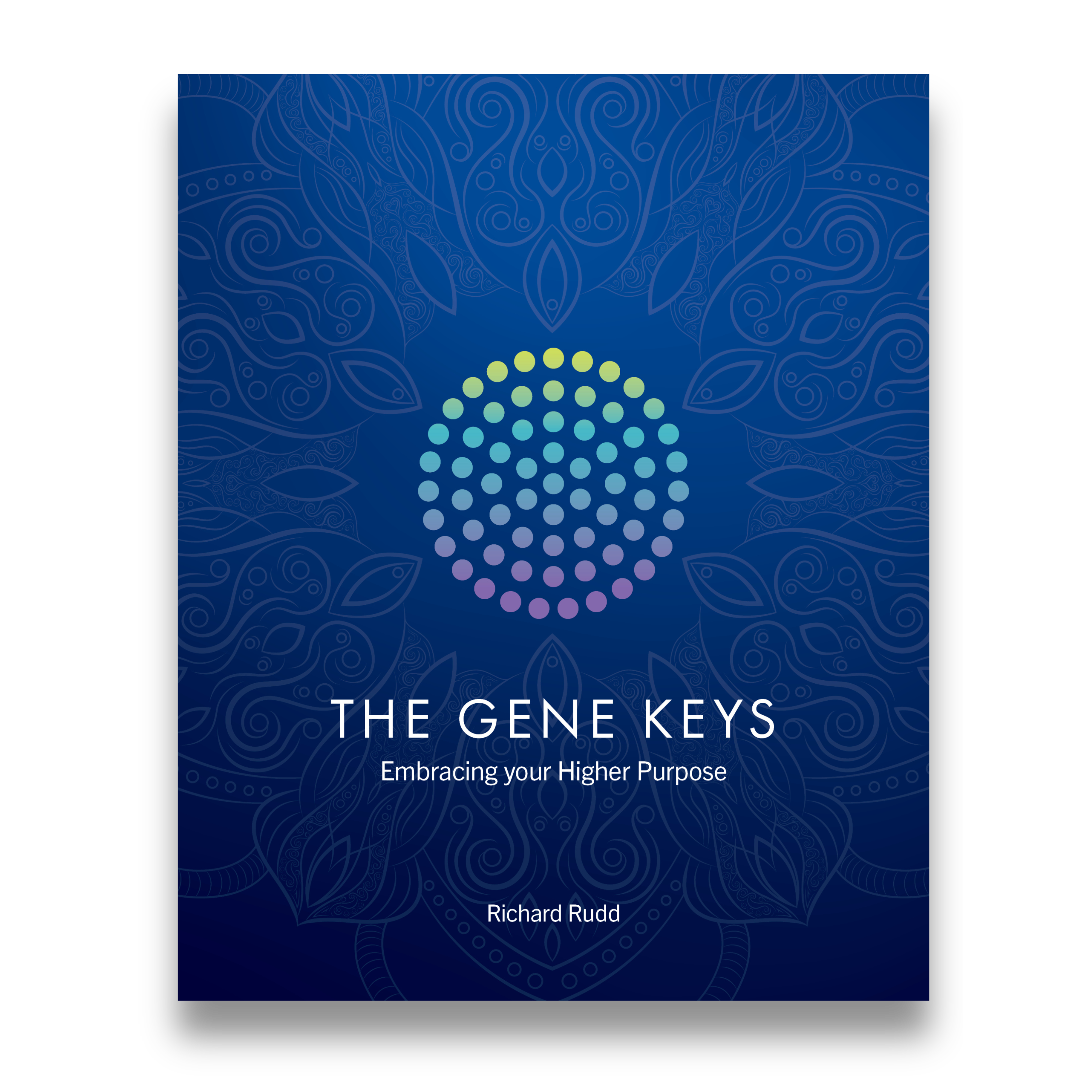
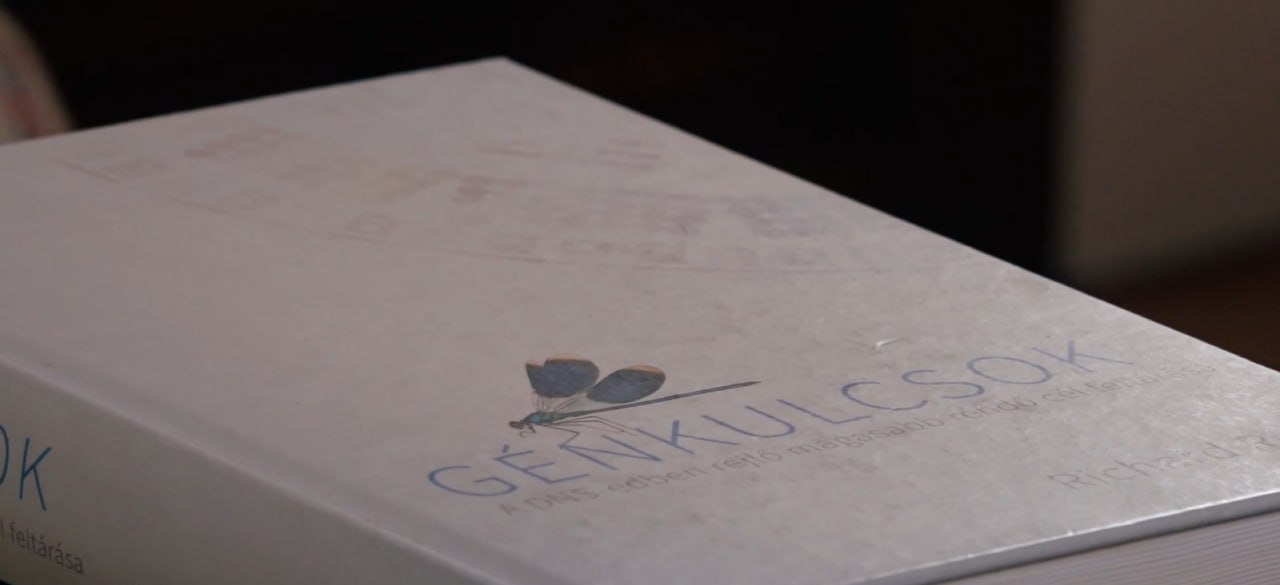
Now I have another book in my hands that works in a similar way. This is ‘The Gene Keys’ by Richard Rudd. Whoever is interested in the I Ching would have great use of this work. Richard Rudd achieved an extraordinary thing, which applies to all ancient traditions and religions, namely: PRESERVING BY CHANGING. This is the order to all those who wish to keep alive these timeless teachings.
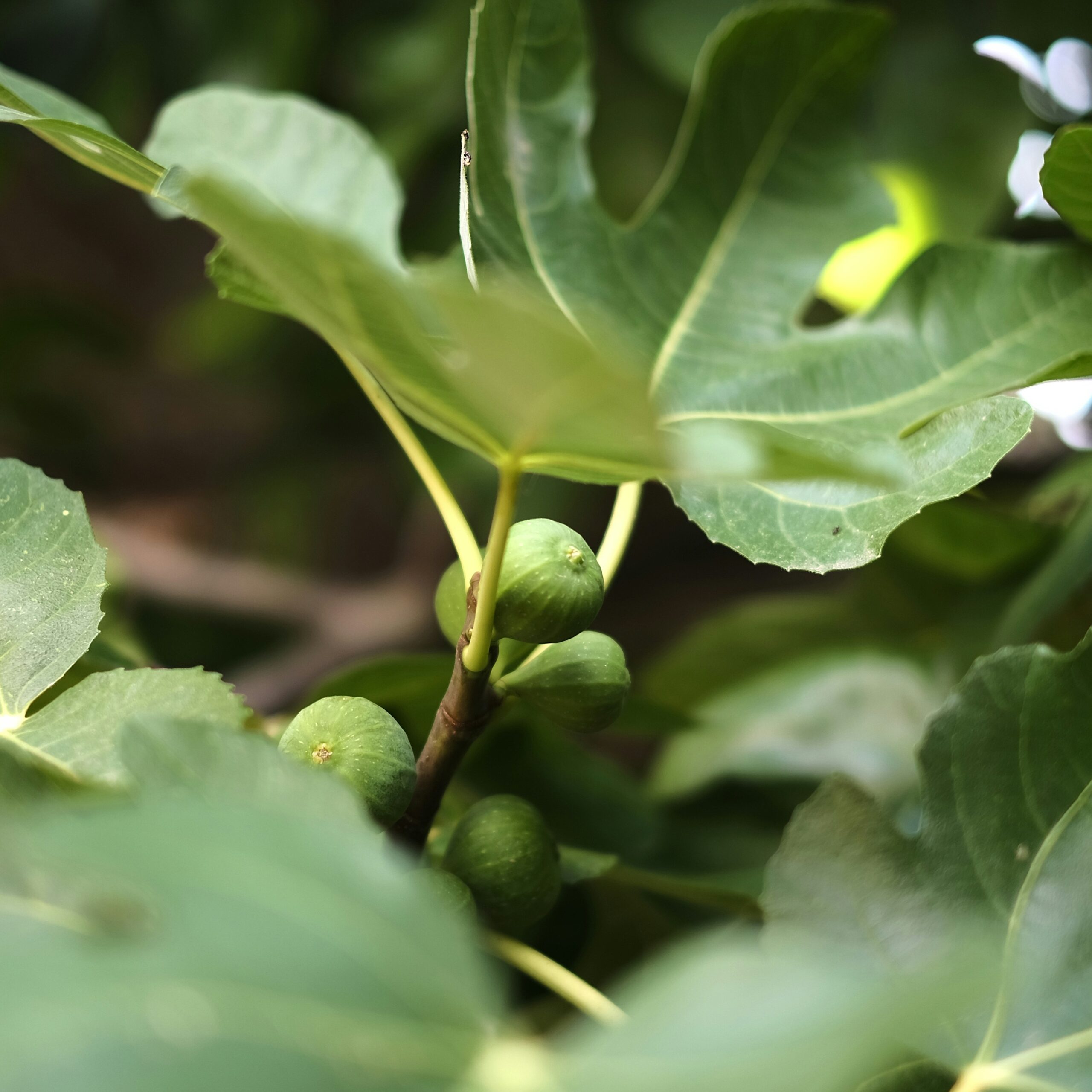
Jesus gives the parable of the barren fig tree: if a tree cannot renew itself and bear fruit every year, it can be there and be visible to the eyes, but is, in essence, already dead. This often happens to ideas and wisdom teachings if there is any faith, fear or misinterpreted textual ‘loyalty’ sticking to them; they remain prisoners of an empty form.’

Richard knows the essence of the I Ching and therefore makes bold changes to the use of this ancient traditional system. He does not use changing lines or directional signs. He feels free, however, to use the threefold division of man as body, soul and spirit, and complements this with another trinity (what else?) from Dante’s ‘Divine Comedy’: hell, purgatory and heaven. These are the three realms of human existence, where everything starts in hell, which Richard calls ‘Shadow’. He knows a lot about that.
It’s really impressive to see all that he knows: history, psychological trends, philosophies, natural science, literature, physics, quantum physics, metaphysics, esotericism, religious history, astronomy, genetics, of course, and the human body down to chromosomes and scientifically discovered details. He covers, in essence, everything that the I Ching had prophesised since its birth and that has happened in the past 2700 years to humanity. Béla Hamvas calls this ‘universal awareness’.
It’s almost unbelievable how so much can fit into one person and how he can hold together this immeasurable amount of knowledge and experience without missing the point; which is how everything, including all the hexagrams, carries in all this knowledge the possibility of enlightenment. Not necessarily in the Buddhist sense, but rather in the Taoist way, what the sages of the I Ching call ‘Tao’, ‘The Way’.
He does not say this in Chinese but with a Sanskrit term ‘Siddhi’, which doesn’t matter here because at this level, there is no longer an opposite but a complete unit. This is essentially a resolved state of being after catharsis, to which you don’t have to die half-heartedly and end up in the afterlife, because these two worlds do not separate, like a person enchanted into the dream of life may imagine.
The light of the divine spirit shines in him. The ancient I Ching and what is written in ‘The Gene Keys’ do not prophesy. Future events are not predicted, although it is also not impossible. The Hungarian shamans (táltos) were just as capable of this as the Jewish prophets or the already Christian John. If we were not creatures with creative intelligence, one could also read the future from a single gene. But since we have a conscious spirit, we also have the power to shape our destiny.
As an Eastern sage said, ‘There is only one wicked thought: that you give up the fight because maybe you have taken on too much and you need more lives to perfect it all. But as long as you live, you always have a chance to make yourself better!’ And this is what Gene Keys and the I Ching teachings are about.
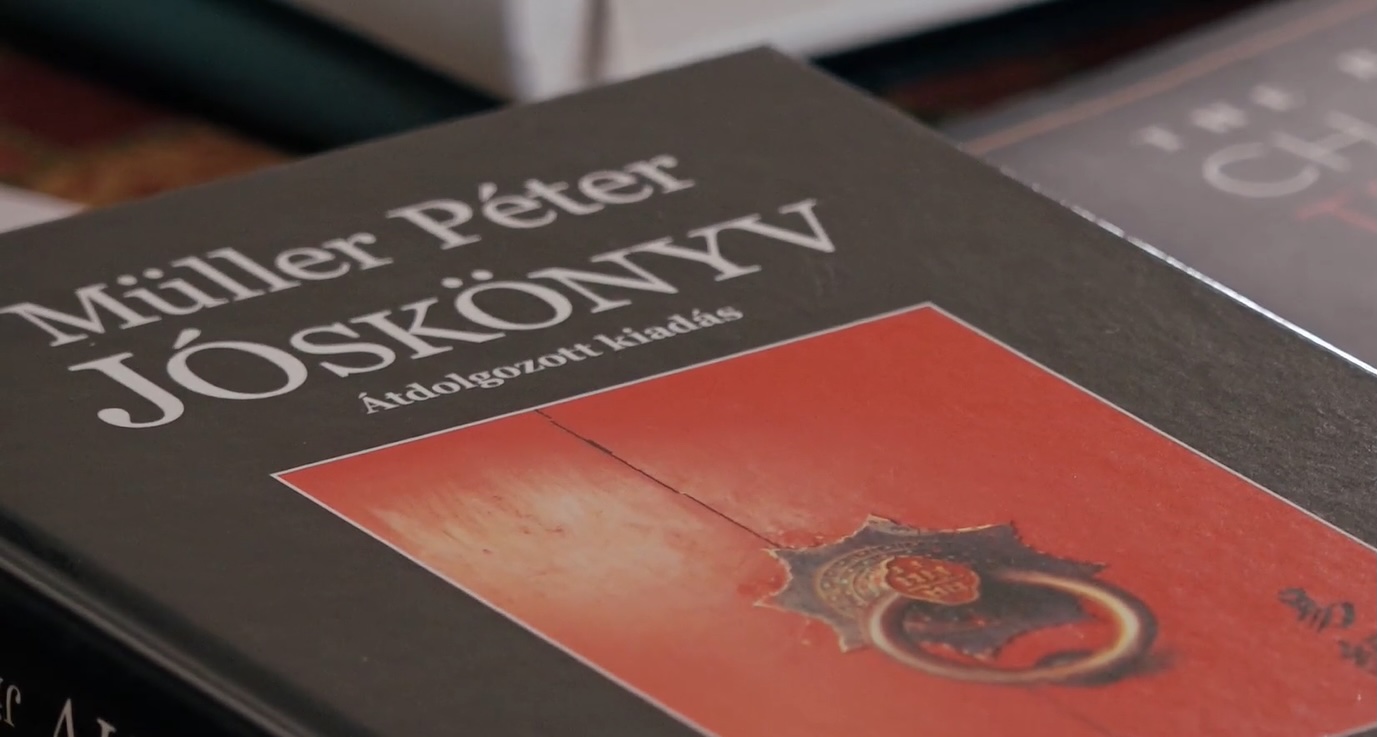
A Hungarian writer, even if he writes about a Chinese book, has a curious advantage. The ancient Hungarian tradition is entirely hidden in its language. There are partly historical reasons for this, but the bottom line is that whoever understands the words receives an esoteric initiation. Our language is a so-called ‘root language’, which means a single short root can carry a variety of related meanings and connections as a whole system, in which every word refers back to its origin and to a different but common essence. The root of the Hungarian word ‘divination’ is JÓ (JÓ means ‘great’, ‘good’). Therefore, the name of the book is ‘Jóskönyv’. To predict means ‘to say good, what is a good WAY’. The book is always going to say what is the good path for the one turning to it. Hence, what Richard calls ‘the Shadow’ also tells you what is a bad, wrong or problematic road. People usually start this way because they are ignorant. In order to survive, they adapt to a bad reality. The soothsayer used to be called ‘javas’. This is also a derivative of ‘good’. It’s inside the words ‘to suggest’, ‘to improve’, ‘to make good’, ‘to do something that benefits oneself or others’. There are material, mental and spiritual goods, and all this is still a close relative of and derivative of ‘good’.
When something goes wrong, it is related to the root ‘Rom’: it becomes a ruin, collapses, falls apart – a house, a car, a person, a morality, a health, a society, a marriage, a whole world. When a beautiful woman grows old, they say she looks ‘romos’ – shabby. I think these hidden connections fall apart in English; they have a different meaning.
Knowing this, it is understandable why I chose the title of my book ‘Jóskönyv’ (‘Book of Prophecy’). This sums it up in Hungarian. I had to find another English title – ‘ORACLE’. I only kept the original title in the Chinese translation, ‘The Holy Book of Changes’, because here the concept of holiness still exists. It has no Christian meaning, but they describe at length how to turn to this book, with purified body and soul and with sufficient respect, since in this case, man is the absolute creator of the universe. He speaks with understanding, in our terms, with God. This should be known when someone takes Richard Rudd’s Gene Keys book into his hands.
A TOAST

‘Isten áldja. Egészségedre.’
(‘God bless you. To your health.’)
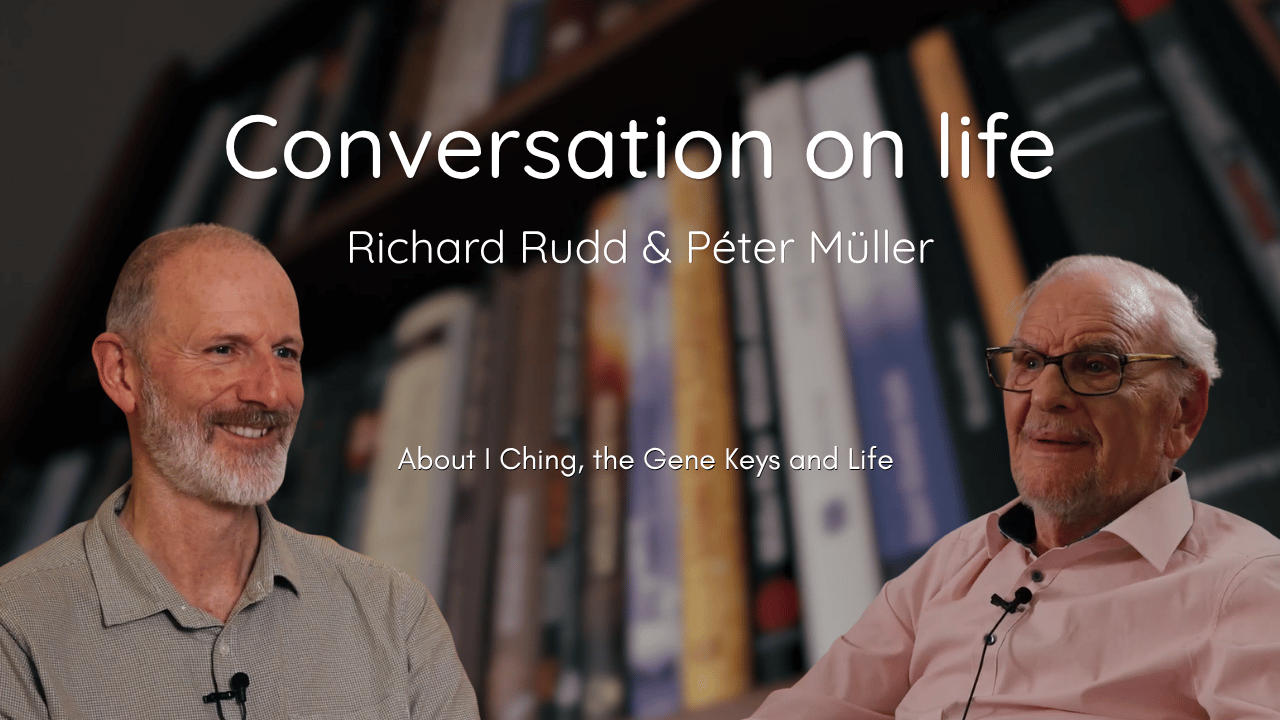
Péter Müller is one of Hungary’s most beloved writers and an I Ching master who has spent 20 years with ‘The Book of Changes’. His telling of it, ‘Jóskönyv’, became an unlikely national phenomenon… Explore more of Péter’s work here.